Dust control protects workers, equipment and the environment, and in India it is also a pollution-control compliance matter. Two of the most common solutions are cyclones and bag filters. Each has a clear sweet spot.
Cyclone dust collector
A cyclone uses centrifugal force to spin heavier particles out of the air stream. It has no filter media and no moving parts, so it is tough and low on maintenance. It works well for coarse dust such as wood chips, grain husk, sand and metal grindings, but it is less effective on fine particles.
Bag filter (fabric filter)
A bag filter passes air through fabric bags that trap fine dust, often achieving very high collection efficiency. Pulse-jet cleaning keeps the bags clear while the system runs. Bag material (polyester, Nomex, PTFE) is selected by temperature and chemistry.
Side-by-side
- Fine dust: bag filter is far better
- Coarse, heavy dust: cyclone is enough and cheaper to run
- High temperature: cyclones tolerate it; bags need heat-rated media
- Maintenance: cyclone is minimal; bags need periodic replacement
Use both for best results
A common design is a cyclone pre-cleaner ahead of a bag filter. The cyclone removes the bulk of heavy dust, so the bags last longer and the filter stays smaller and cheaper.
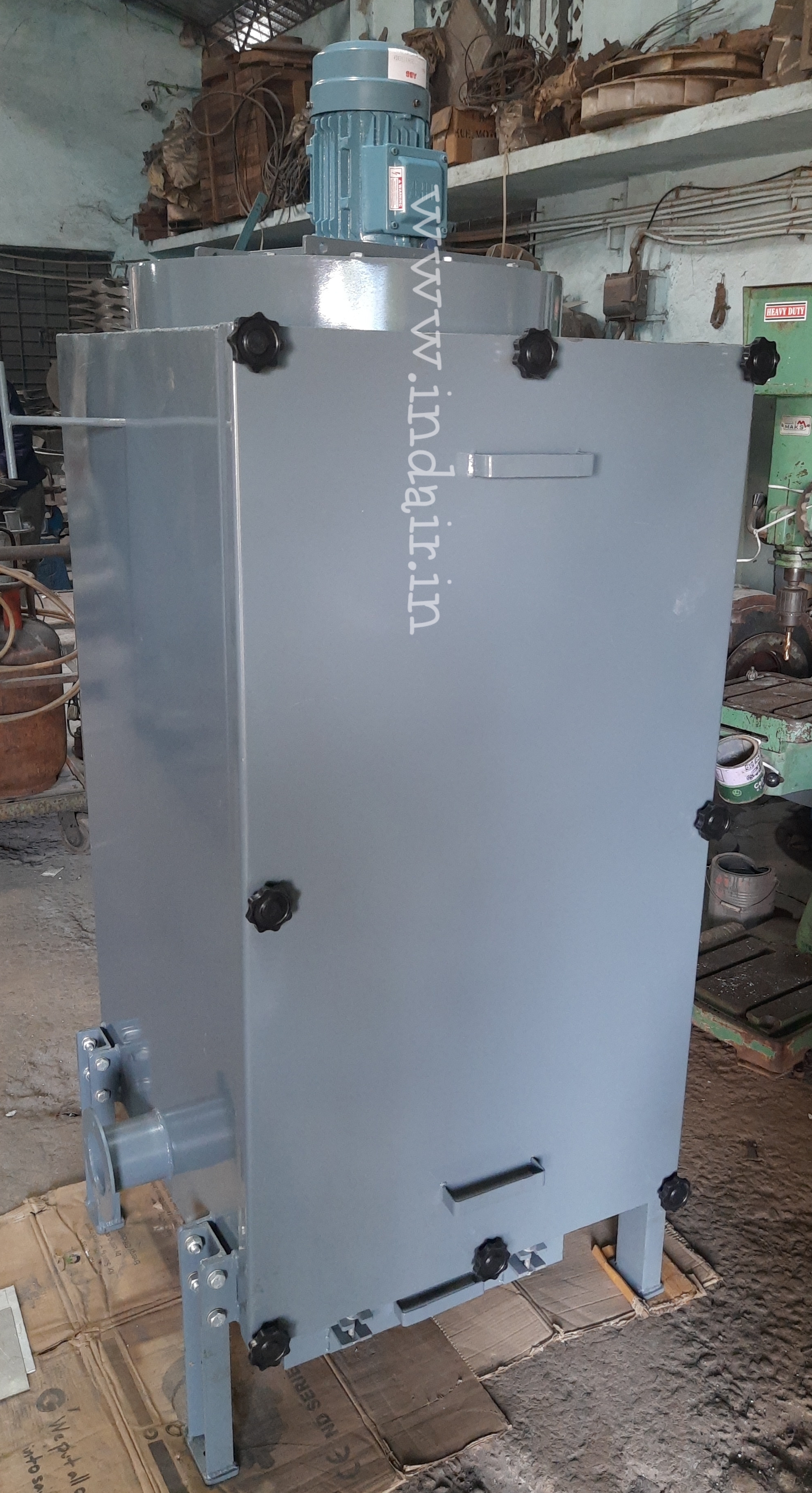
INDAIR builds bag filter, cyclone and portable dust collectors. Tell us your dust type and airflow for a recommendation.
← All articles